Types of Investment Rounds
29.07.2021
InsightsAPY Ventures

In the journey of turning a business idea into a multinational, publicly traded company, investment plays one of the most critical roles. Investments are categorized based on the amount raised, the stage of the start-up, and the type of investor involved. In this article, we will explain the types of investment rounds, which stages correspond to which rounds, and how a start-up can prepare for each phase.
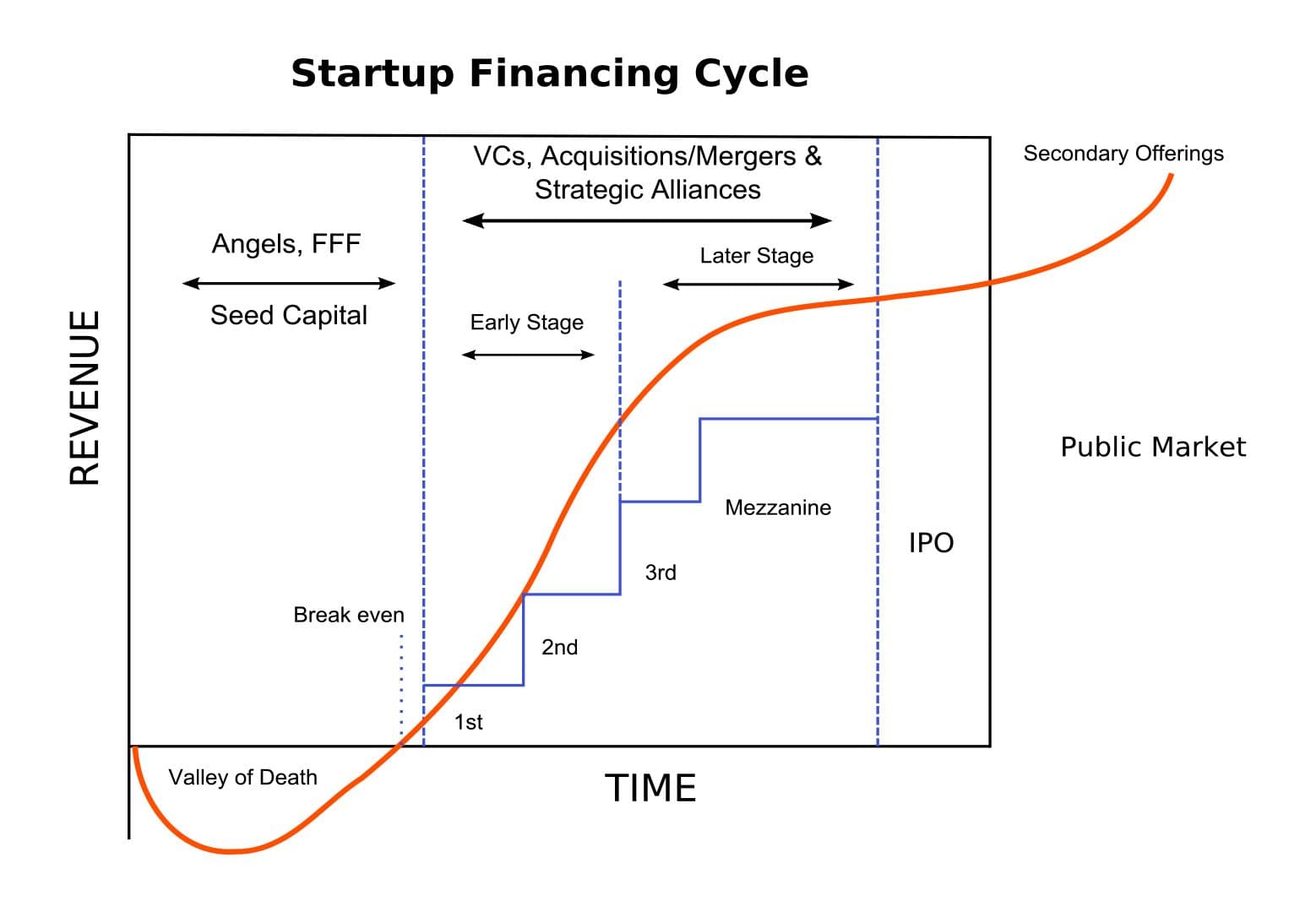
The first round is typically known as the Pre-seed stage. This is the period when the founder of a start-up begins initial activities. Investors at this stage are usually not institutional and often include the founder, friends, family members, or angel investors. The length of the pre-seed stage varies depending on how complex the business idea is and can be either very short or relatively long.
The next stage is the Seed round. This marks the first official equity investment phase. Capital raised during this round is generally used for market research, product development, and building the right team. In addition to pre-seed investors, seed rounds may include angel investors and institutional investment firms. Although investment sizes in seed rounds can vary widely, they usually range between 10,000 and 2 million US dollars.
After that comes the Series A round. A start-up that has completed the pre-seed and seed stages and developed its KPIs typically enters the Series A phase to optimize its operations and growth strategy. In this stage, it is crucial to develop a scalable and sustainable business model. While Series A investments typically range between 2 million and 15 million US dollars, this amount has increased in recent years due to the high valuations of deep tech companies. These rounds are often led by a primary investor and structured as a consortium of institutional investors.
The next stage is the Series B round. At this point, the start-up is no longer focused solely on building the product but aims to grow its market presence and formalize internal operations. Start-ups that have proven their ability to serve at a larger scale seek Series B investments to expand accordingly.
Series C is generally considered the final stage of venture investment rounds. Start-ups at this level aim to expand their product offerings, enter new markets, acquire other companies, or increase their valuation before a potential IPO. These rounds are focused on rapid and efficient scaling. In addition to venture capital firms, Series C rounds often attract fund managers, investment banks, and other institutional investors due to the company’s proven success.
While Series C is often seen as the final round, start-ups may continue raising capital through Series D and E rounds. This may occur if the company has not met its financing goals in the Series C round or wishes to boost its valuation one final time before going public.
It is important to note that the investment amounts, valuations, and maturity levels associated with each round may vary significantly across markets. For example, what is considered a seed round in Türkiye might be seen as a pre-seed round in the United States. Similarly, the funding collected in Türkiye before Series A might already be categorized as part of the seed round or earlier in more developed markets. Factors such as ecosystem maturity, fund sizes, and ease of access to capital contribute to these differences.
At APY Ventures, we actively invest in the start-up ecosystem through our eight venture capital funds, especially during the Seed and Series A stages.
Thank you for your continued interest in the APY Ventures family. For any questions, comments, or suggestions, feel free to contact us at gsyf@albarakaportfoy.com.tr. See you in our next article.